Effective plumbing maintenance is efficient plumbing service plans an often-overlooked aspect of property management, yet it plays a critical role in ensuring that drainage systems function optimally. When residents and property owners neglect their plumbing system, they expose themselves to issues ranging from minor inconveniences to significant structural damage. This article explores the intricate relationship between good drainage and routine plumbing maintenance practices, emphasizing the importance of proactive measures.
Creating a strong connection between good drainage and routine plumbing maintenance starts with understanding how each component influences the other. A well-maintained plumbing system prevents blockages that lead to backups and overflows. Conversely, a poorly maintained system can wreak havoc on drainage efficiency. As a resident or property owner, recognizing this link can help you take the necessary steps to safeguard your plumbing system.
The Components of a Well-Maintained Plumbing System
A comprehensive understanding of your plumbing system involves several components: pipes, fixtures, drains, and vent stacks. Each part works in concert to ensure that water flows seamlessly throughout your property. Over time, wear and tear can cause deterioration in these components, leading to potential failures if not addressed promptly.
Regular inspections should cover visible pipes for signs of corrosion or leaks. Fixtures such as faucets and toilets should be checked for proper functioning; even small drips can waste significant amounts of water over time. Drains must be cleared of debris to maintain optimal flow rates and prevent clogs. Vent stacks are equally important as they allow air into the plumbing system to facilitate drainage and prevent vacuum effects that can slow down or halt water flow.
The Importance of Good Drainage
Good drainage is essential not only for preventing flooding but also for protecting the foundation of your home or building. Poor drainage can lead to soil erosion around your property, which compromises its structural integrity. Additionally, stagnant water creates breeding grounds for insects and fosters mold growth, which poses health risks.
In Minneapolis, MN, where winter weather conditions can exacerbate plumbing issues, good drainage becomes even more crucial. Ice buildup can block drains if proper precautions are not taken during colder months. Regular maintenance ensures that any potential problems are identified before they escalate into costly repairs.
Preventive Plumbing Maintenance Practices
Preventive plumbing maintenance is about more than just fixing problems as they arise; it’s about anticipating issues before they become serious concerns. Implementing a planned plumbing maintenance program is a practical approach that enables homeowners to stay ahead of potential challenges.
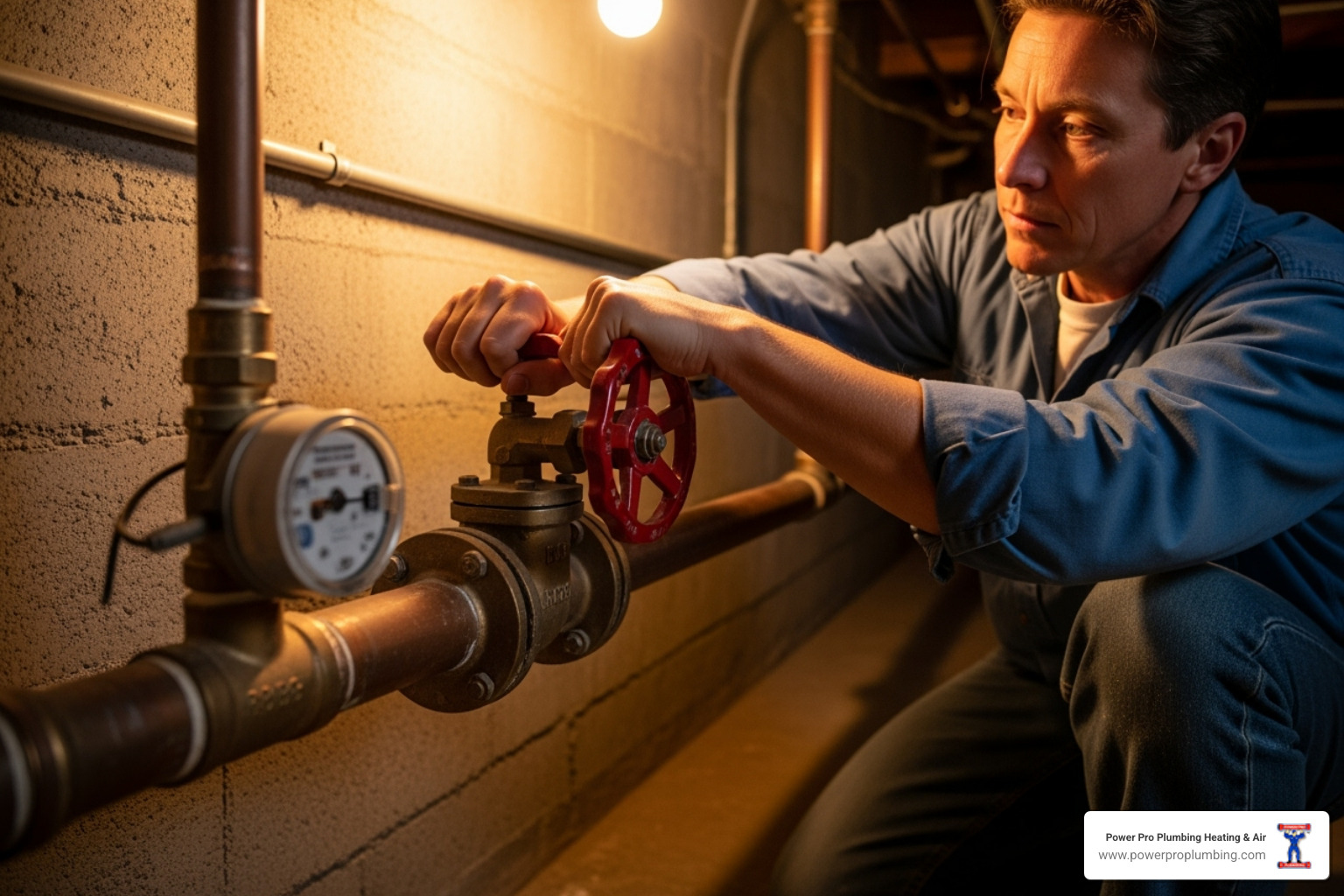
A successful preventive strategy includes scheduled inspections by qualified professionals who understand local codes and regulations while also being familiar with common issues faced by homes in Minneapolis. These professionals will check for leaks, inspect pipe connections, analyze water pressure levels, and assess overall system performance.
Incorporating routine checks into your maintenance plan also means keeping track of seasonal changes that might affect your plumbing system. For example, preparing your pipes for winter is crucial in areas prone to freezing temperatures. Insulating exposed pipes helps prevent them from bursting due to expanding ice.
Establishing a Plumbing Service Plan
One effective way to manage routine plumbing maintenance is through a comprehensive plumbing service plan tailored specifically to your needs. Such plans typically include regular inspections as well as emergency services when needed. They provide peace of mind knowing that you have experts on call who are knowledgeable about your specific plumbing setup.
When selecting a service plan provider in Minneapolis or any area with similar climates, consider companies offering preventive care agreements that prioritize regular check-ups over reactive solutions alone. A solid service agreement may encompass various aspects ranging from drain cleaning schedules to annual pipe assessments.
Common Signs That Indicate Maintenance Is Needed
Awareness of warning signs can facilitate timely intervention before minor issues escalate into major headaches. Common indicators include:
Slow draining sinks or tubs. Unpleasant odors emanating from drains. Frequent clogs requiring multiple interventions. Water stains on walls or ceilings. Sudden increases in utility bills without clear reasons.Each sign deserves attention; ignoring them could lead to larger complications involving extensive repairs or replacements down the line.
The Role of Drain Cleaning
Routine drain cleaning should be an integral part of any effective maintenance strategy because it directly contributes to better drainage performance. Over time, drains accumulate grease buildup, hair strands, soap residue, food particles – all contributing factors leading towards eventual clogs if left unattended.
While some homeowners attempt DIY cleaning methods using chemical agents found at local stores—these may sometimes do more harm than good by causing corrosion within pipes—professional cleaning services utilize specialized equipment designed specifically for clearing tough blockages safely without damaging existing infrastructure.
Investing in professional drain cleaning once or twice yearly helps maintain efficient waste removal while also minimizing risks associated with more severe blockages down the road—a win-win scenario!
Emphasizing Communication With Professionals
Communication with plumbers is vital throughout all stages: initial assessments through ongoing interactions regarding service expectations ensure transparency about what needs addressing at any given moment during planned visits versus emergency situations arising unexpectedly.
Understanding their findings allows homeowners both clarity concerning urgent fixes needed alongside opportunities for future upgrades based upon changing family dynamics (e.g., adding new bathrooms) affecting overall usage patterns across systems already installed previously—this level of engagement fosters trust while empowering homeowners with knowledge regarding best practices moving forward together collaboratively!
The Financial Aspect: Cost-Benefit Analysis
When considering whether investing resources towards routine maintenance makes sense financially one must weigh potential costs against benefits gained over time—increased longevity & reduced likelihood needing expensive repairs later on outweigh immediate expenditures incurred upfront!
A typical preventative maintenance program might range anywhere from $150-$500 depending on location & complexity involved however compare this cost against average repair costs ($500-$2K+) associated with neglected systems leading towards catastrophic failures: suddenly preventative measures appear considerably less daunting!
Moreover many service providers offer payment plans making budgeting easier—less stress means peace-of-mind knowing you’re covered when unexpected events arise maintaining optimal functionality throughout life-cycle extending usefulness beyond just initial purchase alone!
Building Long-Term Relationships with Service Providers
Establishing long-lasting relationships with reliable plumbers enhances overall experience; familiarity breeds comfort—knowing exactly whom you’ll call upon when emergencies inevitably strike alleviates anxiety!
Choosing reputable contractors ensures quality workmanship remains consistent while fostering ongoing communication channels promoting seamless interactions regardless whether scheduling routine checks versus managing unforeseen crises alike!
Those residing within Minneapolis should take special note here: finding local professionals familiarizing themselves intimately within unique challenges posed by Midwestern climate patterns elevates entire collective experience as well providing added reassurance knowing expertise lies nearby ready assisting whenever necessary!
By intertwining effective drainage solutions alongside established routines surrounding preventative practices one creates holistic approach maximizing efficiency reducing risks enhancing overall quality life improving home value ultimately benefiting everyone involved!
Ultimately prioritizing proactive measures regarding both good drainage coupled with conscientious regularity around routine plumbing maintenance sets stage success paving path toward healthier living environments enriched experiences fulfilling lives spent enjoying homes cherished deeply cherished memories created therein!